Every product sold in the market carries a responsibility for the business behind it. Whether a company manufactures electrical equipment, food products, machinery, cosmetics, chemicals, or consumer goods, a defect can sometimes cause injury or damage to someone using the product. Even a single incident can lead to legal claims, compensation demands, and unexpected business expenses.
Product Liability Insurance helps businesses manage the financial risks arising from certain claims related to injury or property damage caused by their products. It is particularly relevant for manufacturers, importers, distributors, wholesalers, and businesses involved in selling products.
Understanding what product liability insurance covers, its benefits, and its exclusions can help businesses make informed decisions about protecting their operations.
What Is Product Liability Insurance?
Product Liability Insurance is a type of commercial liability insurance that protects a business against specified legal liabilities arising from injury or property damage caused by products it manufactures, sells, or distributes.
This insurance is designed to address third-party claims. It does not automatically cover the cost of repairing or replacing the business’s own defective products.
Why Do Businesses Need Product Liability Insurance?
Businesses can face product-related risks at every stage, from design and manufacturing to packaging and distribution. Defective products, incorrect labels, or inadequate safety warnings may cause customer injuries, property damage, and legal claims.
Under the Consumer Protection Act, 2019, manufacturers, sellers, and service providers may face product liability claims in specified circumstances.
Product Liability Insurance helps businesses manage the financial impact of covered claims, including legal expenses and compensation.
Who Should Consider Product Liability Insurance?
Product Liability Insurance is relevant to more than just manufacturers. Importers, distributors, wholesalers, retailers, and businesses selling products under their own brand may also face product-related liability risks.
Industries that may consider this cover include food and beverages, pharmaceuticals, cosmetics, electronics, automotive, machinery, construction materials, textiles, and consumer goods.
The level of risk depends on the product, its usage, customers, and the business’s role in the supply chain.
What Does Product Liability Insurance Cover?
The coverage depends on the insurer, policy wording, limits, and selected extensions. Common areas of protection may include the following.
Third-Party Bodily Injury
If a product causes physical injury or illness to a customer or another third party, the business may face a compensation claim. Product liability insurance may cover eligible legal liabilities arising from such incidents.
Third-Party Property Damage
A defective product may damage property belonging to someone other than the business or the product itself. Certain product liability policies cover legal liability arising from such third-party property damage.
Legal Defence Costs
Responding to a product liability claim can involve legal consultations, investigation, documentation, and court proceedings. Some policies cover eligible defence costs incurred with the insurer’s prior consent.
This support can help businesses manage the expenses involved in defending covered claims. Always check whether defence costs are included within the policy limit or payable in addition to it.
Vendor’s Liability Extension
Businesses often sell products through distributors, retailers, or other commercial partners. Certain policies offer a vendor’s liability extension that can provide protection to specified vendors against eligible product-related claims arising from the insured products.
This can be useful when businesses supply products through multiple distribution channels. The extension is subject to the policy’s terms, the vendors covered, and the nature of the claim.
Export Product Liability
Businesses exporting products may face claims in countries where the products are sold or used. Some insurers offer coverage extensions for exports, subject to the declared territories, applicable jurisdiction, and policy conditions.
Exporters should check whether the policy covers the countries in which their products are distributed and whether any territorial or legal restrictions apply.
Benefits of Product Liability Insurance
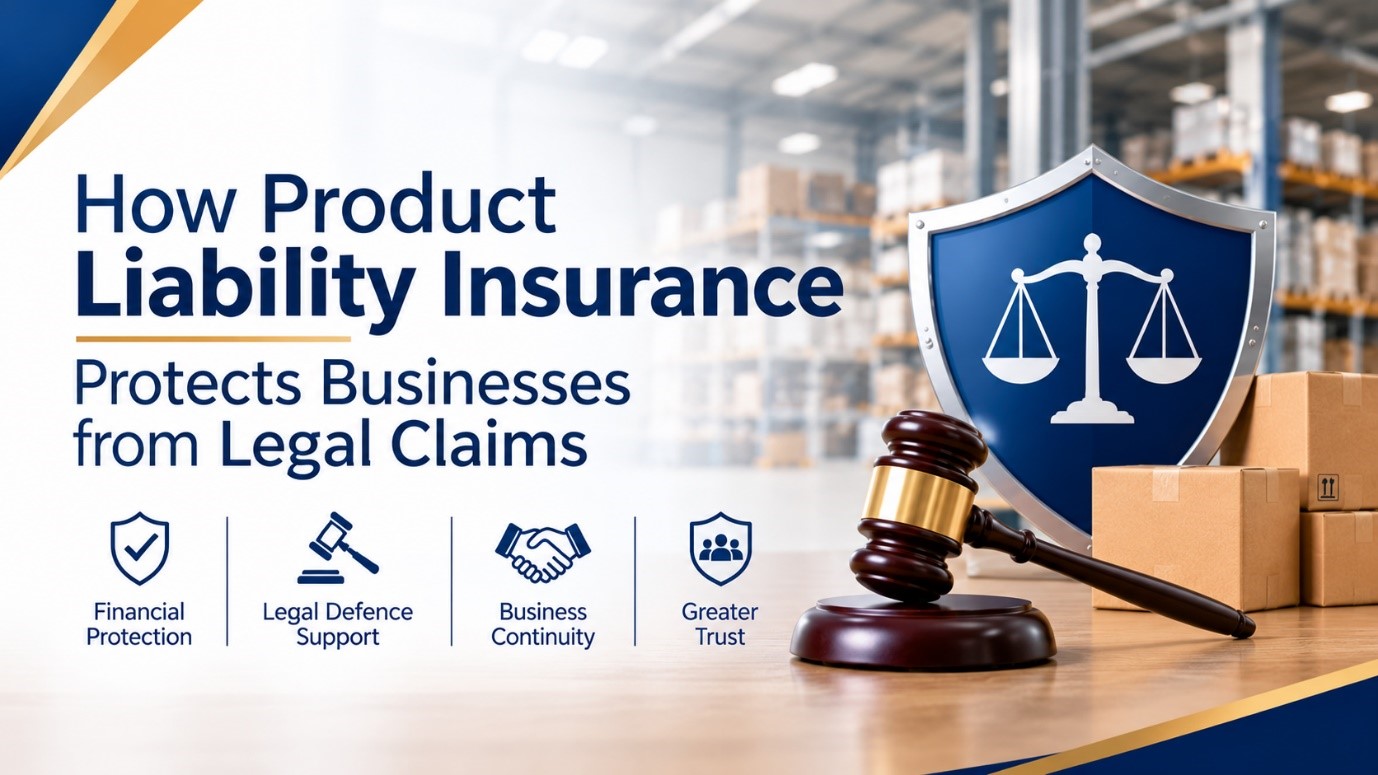
- Financial Protection: Covers eligible compensation claims arising from third-party injury or property damage caused by defective products.
- Legal Defence Support: Helps manage covered legal defence costs and expenses, subject to policy terms.
- Contractual Compliance: Helps businesses meet liability insurance requirements set by retailers, distributors, and international buyers.
- Business Financial Stability: Reduces the financial burden of unexpected product liability claims.
- Better Risk Management: Encourages businesses to strengthen product quality, safety, packaging, labelling, and supply chain practices.
What Does Product Liability Insurance Not Cover?
Product liability insurance has specific limitations. The exclusions vary between insurers, so businesses should review the policy wording before purchasing coverage.
Damage to Your Own Product
Product liability insurance generally focuses on third-party injury and property damage. The cost of repairing, replacing, or improving the insured business’s own defective product is commonly excluded.
Product Recall Expenses
If a business needs to withdraw products from the market because of a safety issue or defect, the recall process can involve transportation, customer communication, storage, and replacement expenses.
Standard product liability insurance commonly excludes product recall costs. Some insurers may offer separate product recall insurance or specific extensions. Businesses should check this separately rather than assuming recall expenses are included.
Known Defects and Previous Claims
Claims arising from defects, incidents, or circumstances already known before the policy starts may be excluded, depending on the wording.
Businesses should disclose relevant information accurately when applying for insurance. Failure to disclose material facts may affect coverage or claim settlement.
Pure Financial Loss
Some product liability policies exclude pure financial or economic losses that do not arise from covered bodily injury or property damage.
Fines and Penalties
Regulatory fines, punitive damages, and certain penalties may be excluded or may not be legally insurable. Businesses should review the policy wording and understand which legal costs or liabilities may qualify for coverage.
Deliberate or Intentional Acts
Losses arising from deliberate wrongdoing or intentional non-compliance with applicable laws may be excluded. Insurance is designed to address covered accidental liability risks, not to protect businesses against every consequence of intentional misconduct.
Frequently Asked Questions
Is product liability insurance mandatory in India?
Product liability insurance is not a universal mandatory insurance requirement for every business in India. However, businesses may face product liability claims under applicable laws, and certain customers or contracts may require suppliers to maintain this insurance.
Does product liability insurance cover manufacturers and distributors?
Yes, policies may cover manufacturers, distributors, importers, or other eligible businesses, depending on the insured parties and policy wording. The coverage should reflect the business’s actual role in the supply chain.
Does product liability insurance cover product recalls?
Standard product liability policies commonly exclude product recall expenses. Separate product recall coverage or an available extension may be required.
Does product liability insurance cover exported products?
Some policies offer export coverage, but geographical limits and jurisdiction conditions apply. Businesses should confirm that their export destinations are included.
What is the difference between product liability insurance and public liability insurance?
Product liability insurance focuses on claims arising from products manufactured, sold, or distributed by a business. Public liability insurance generally addresses third-party injury or property damage arising from the business’s premises or operations. The exact scope depends on the policy wording.