

Introduction
Manufacturing businesses operate in a high-risk environment. You deal with heavy machinery, large inventories, skilled labor, and complex supply chains. One unexpected event can disrupt operations and cause major financial loss.
Manufacturing insurance is a combination of policies designed to protect factories and industrial units from risks such as fire, equipment breakdown, liability claims, and business interruptions. It is not a single policy. It is a structured risk protection strategy tailored to your operations.
If you run a factory or manage an MSME, insurance is not optional. It is a core part of financial stability and long-term growth.
Key Risks in the Manufacturing Industry
Manufacturing units face multiple risks daily. Understanding these risks helps you choose the right coverage.
Machinery Breakdown
Machines are the backbone of production. A breakdown can stop operations instantly.
Example:
A CNC machine failure in an auto parts factory can halt production for days. Repair costs plus lost revenue can be significant.
Factories store raw materials, chemicals, and finished goods. Fire risk is always present.
Common causes:
- Electrical faults
- Chemical reactions
- Human error
A single fire incident can destroy inventory and infrastructure.
Manufacturing involves manual labor and hazardous environments.
Risks include:
- Machine-related injuries
- Falls and burns
- Exposure to chemicals
This creates both legal liability and compensation costs.
Product Defects
If your product fails or causes harm, you can face legal claims.
Example:
A defective electrical component causing fire damage can result in lawsuits and brand damage.
This is where product liability insurance India becomes essential.
Supply Chain Disruption
Manufacturing depends on timely supply and delivery.
Risks:
- Supplier failure
- Transport delays
- Natural disasters
Even a short disruption can impact revenue and customer commitments.
Cyber Risks
Modern factories use automation and connected systems.
Threats include:
- Data breaches
- Ransomware attacks
- Production system hacking
Cyber risks are increasing, even for small manufacturers.
Types of Manufacturing Insurance
A strong insurance strategy combines multiple policies. Each one protects a specific area of your business.
Property Insurance for Factories
This covers physical assets such as:
- Factory building
- Machinery
- Inventory
It protects against:
- Fire
- Natural disasters
- Theft
This is the foundation of factory insurance.
General Liability Insurance
This protects your business from third-party claims.
Covers:
- Bodily injury
- Property damage
Example:
A visitor gets injured inside your factory. This policy covers legal and compensation costs.
Workers Compensation Insurance
This is essential for employee protection.
Covers:
- Medical expenses
- Disability compensation
- Loss of wages
It also ensures compliance with labor laws.
Business Interruption Insurance
This covers loss of income due to operational shutdown.
Triggers include:
- Fire damage
- Machinery failure
- Natural disasters
It helps you pay:
- Fixed expenses
- Salaries
- Rent
Without this, even a temporary shutdown can cause long-term damage.
Product Liability Insurance
This protects you against claims related to product defects.
Covers:
- Legal costs
- Compensation claims
This is critical for exporters and manufacturers dealing with consumer goods.
Machinery Breakdown Insurance
This specifically covers sudden mechanical or electrical failure.
Covers:
- Repair or replacement costs
- Damage due to internal faults
It is different from property insurance, which mainly covers external events.
This protects goods during transportation.
Covers:
- Damage during transit
- Theft
- Accidents
Important for manufacturers with large distribution networks.
Cyber Insurance
This protects digital systems and data.
Covers:
- Data breach costs
- Recovery expenses
- Legal liabilities
Even small factories using ERP systems need this.
Environmental Liability Insurance
Manufacturing units can cause environmental damage.
Covers:
- Pollution-related claims
- Cleanup costs
- Legal liabilities
Critical for industries dealing with chemicals or waste.
Why Different Industries Need Different Insurance
Insurance is not one-size-fits-all. Each manufacturing sector has unique risks.
Food Industry
- Risk of contamination
- Strict safety regulations
- Need strong product liability cover
Chemical Industry
- High fire and explosion risk
- Environmental damage exposure
- Needs environmental liability insurance
Textile Industry
- Fire risk due to flammable materials
- Machinery wear and tear
- Needs property and machinery insurance
Automobile Manufacturing
- Complex machinery
- High-value equipment
- Requires breakdown and liability coverage
Electronics Manufacturing
- Sensitive equipment
- High cyber risk
- Needs cyber and equipment insurance
How to Choose the Right Insurance
Choosing the right industrial insurance coverage requires planning.
Assess Your Risks
Start by identifying:
- Operational risks
- Financial exposure
- Industry-specific threats
Do not rely on generic policies.
Understand Your Business Size
Coverage needs differ based on:
- Small factory vs large plant
- Revenue scale
- Workforce size
Larger operations need broader coverage and higher limits.
Match Insurance with Industry Type
Each sector has different exposure.
Example:
- Chemical plants need environmental cover
- Food units need product liability
Check Policy Coverage Details
Focus on:
- Inclusions
- Exclusions
- Claim process
Do not choose based only on premium.
Common Mistakes Manufacturers Make
Many businesses buy insurance but still remain under-protected.
Avoid these mistakes:
Underinsuring Assets
Many factories insure assets below actual value.
Result:
Lower claim payout during loss.
Ignoring Business Interruption
Most manufacturers focus only on physical damage.
They ignore income loss during downtime.
Buying Generic Policies
Standard policies do not cover industry-specific risks.
Customization is necessary.
Not Updating Coverage
Businesses grow, but insurance remains unchanged.
Update policies regularly based on expansion.
Ignoring Cyber Risk
Even small factories face cyber threats today.
Lack of cyber insurance can be costly.
Conclusion
Manufacturing businesses operate in a risk-heavy environment. A single incident can impact production, finances, and reputation. This is why manufacturing insurance must be approached strategically. You need more than basic coverage. You need a customized mix of policies aligned with your industry, scale, and risk exposure. The right insurance plan protects your assets, supports business continuity, and builds long-term resilience.
Introduction: Don’t Wait for a Fire to Understand Your Insurance
A short circuit in a warehouse. A small fire in a shop. A factory machine overheating. In India, such incidents are more common than most business owners expect and the financial impact can be devastating. For many MSMEs and even large enterprises, a single fire accident can halt operations for weeks or permanently.
This is why a Standard Fire and Special Perils (SFSP) Policy is not just optional it’s essential for business continuity. But here’s the reality: many businesses are underinsured or wrongly insured.
What is Fire Insurance (SFSP) for Businesses?
For Indian businesses, a fire insurance policy is designed to protect physical assets from damage caused by fire and several other risks.
It typically covers:
- Factory buildings and office premises
- Plant and machinery
- Stock and raw materials
- Furniture, fixtures, and fittings
In simple terms, it ensures that if your business suffers physical damage, the insurer compensates the loss helping you recover and restart operations.
What Does Fire Insurance Actually Cover?
Most business owners assume it only covers fire but it’s much broader.
🔹 Fire & Lightning
Covers actual fire incidents and lightning-related damage.
🔹 Natural Disasters (Common in India)
Includes:
- Floods (especially in cities like Mumbai, Chennai)
- Cyclones (coastal regions)
- Storms and heavy rainfall
🔹 Business Environment Risks
Covers:
- Riots and strikes
- Malicious damage
- Aircraft-related damage
🔹 Water Damage
Damage due to:
- Burst pipes
- Overflowing tanks
- Sprinkler leakage
🔹 Geological Risks
Includes landslides and subsidence (important for hilly or construction-prone areas).
🔹 Impact Damage
Damage caused by third-party vehicles (e.g., a truck hitting your warehouse).
👉 This makes SFSP a multi-risk protection policy, not just fire insurance.
The Hidden Exclusions That Affect Indian Businesses
This is where many claims get rejected.
❌ Intentional Acts (Arson)
If the fire is deliberate, the insurer will reject the claim.
❌ War & Nuclear Risks
Losses due to war or nuclear events are completely excluded.
❌ Spontaneous Combustion
Very important for industries like:
- Textile
- Chemical
- Agriculture
If goods catch fire due to internal heating, it may not be covered unless specifically added.
❌ Theft During Fire
If stock is stolen during a fire incident, it is not covered under a fire policy.
❌ Business Loss (Very Important)
Loss of:
- Profit
- Production
- Customers
❌ Not covered under standard fire insurance.
👉 This is a major gap for businesses.
The Most Misunderstood Rule: Electrical Equipment Damage
This is where many Indian businesses face confusion.
- If a machine fails due to short circuit → ❌ Not covered
- If that failure causes a fire → ✅ Fire damage is covered
Example:
A CNC machine in a factory gets damaged due to voltage fluctuation. The machine damage may not be claimable but if it causes a fire that spreads, the building and stock damage will be covered.
👉 Solution: Take Machinery Breakdown Insurance along with fire insurance.
Situations That Can Lead to Claim Rejection
Even if you have a policy, these situations can create problems:
⚠️ Unoccupied Premises
If your factory/shop is closed for 30–60 days without informing the insurer, your claim can be denied.
⚠️ Underinsurance
If you insure your property for less than its actual value, the insurer may apply the average clause and reduce your claim.
⚠️ Non-Disclosure
Incorrect business details (like type of goods stored) can invalidate your claim.
Add-ons Every Indian Business Should Consider
A basic policy is not enough for most businesses.
➕ Earthquake Cover
Important in seismic zones (like Delhi, Gujarat, North-East).
➕ Spontaneous Combustion Cover
Critical for industries handling heat-sensitive materials.
➕ Debris Removal
Covers clean up costs after fire damage.
➕ Professional Fees
Covers engineers, architects, and consultants.
➕ Business Interruption Insurance (FLOP)
One of the most important add-ons covers:
- Loss of profit
- Fixed expenses
- Salary payments during downtime
Who Needs Fire Insurance the Most?
In India, this policy is essential for:
- MSMEs and small shop owners
- Factory and manufacturing units
- Warehouses and logistics businesses
- Retail stores and showrooms
- Offices with expensive equipment
👉 If your business depends on physical assets, you need this protection.
Common Mistakes Indian Business Owners Make
Avoid these to prevent losses:
- Taking insurance just to satisfy bank requirements
- Not updating stock values regularly
- Ignoring add-ons to save premium
- Not reading exclusions
- Assuming all fire-related losses are covered
These mistakes often result in partial or rejected claims.
Conclusion:
Fire insurance is one of the most important safeguards for any business in India. But its real value lies in understanding what is covered and what is not.
Before relying on your policy:
- Check your sum insured
- Review exclusions carefully
- Add necessary extensions
- Align coverage with your business risk
Because in business, recovery speed matters and the right insurance can make all the difference.
FAQ
Q: Is fire caused by a short circuit covered?
Yes, the resulting fire damage is covered but not the initial electrical fault.
Q: Is fire insurance mandatory for businesses in India?
Not legally mandatory, but often required by banks for loans and highly recommended.
Q: Does it cover loss of profit?
No, unless you take Business Interruption Insurance.
Q: What is the biggest mistake businesses make?
Underinsuring assets and ignoring important add-ons.
Mialtus Insurance Broking
Mialtus Insurance Broking supports businesses by helping them choose fire insurance that actually fits their operations, not just standard policy templates. Their focus is on identifying gaps, explaining coverage clearly, and ensuring businesses are prepared for real risks so when a loss happens, recovery is smoother and more certain.
Introduction: The Risk Most Businesses Overlook
When we think about war, we often think in terms of borders, politics, and global headlines. But for businesses, the impact is far more direct and often far more damaging. Supply chains get disrupted. Shipments are delayed or destroyed. Operations come to a halt. Physical assets can be damaged without warning.
What many businesses don’t realize is this: most standard insurance policies do not cover war-related risks. This means that in times of conflict, companies can face massive financial losses without any protection.
The good news? There are ways to stay protected if you choose the right kind of coverage. In this article, we’ll walk you through three essential insurance solutions that can help safeguard your business during war or conflict situations.
🛡️ Insurance Solutions That Can Cover War Risks
While standard policies exclude war, certain insurance solutions offer specific extensions or add-ons designed to cover these risks. Let’s look at three key types of insurance that can make a real difference during uncertain times.
🚢 Marine & Cargo War Insurance
What It Covers
Marine & Cargo War Insurance is designed to protect goods while they are in transit during war or conflict situations.
It can cover:
- Damage to cargo due to war-related incidents
- Loss of goods caused by attacks, explosions, or seizure
- Disruptions in shipping routes due to conflict zones
Why It Matters
During war, global trade becomes highly unpredictable. Shipping routes may be blocked, ports may shut down, and cargo may be exposed to serious risks. Without war coverage, any loss during transit is typically not covered under standard marine insurance.
Who Should Consider It
- Exporters and importers
- Manufacturers dependent on global supply chains
- Businesses involved in international trade
🏭 Business Interruption Insurance (With War Extension)
What It Covers
This policy helps protect your income if your business operations are disrupted due to war-related events.
It can include:
- Loss of revenue due to forced shutdowns
- Supply chain disruptions
- Delays in operations caused by conflict
Why It Matters
In many cases, businesses are not physically damaged but they still cannot operate. And then operations stop, revenue stops. This type of insurance ensures that your business can survive financially during periods of disruption.
Real-World Scenario
Your factory may not be directly affected by conflict, but your suppliers are. Raw materials stop arriving, and production halts. Even without physical damage, your business suffers daily financial losses.
Who Should Consider It
- Manufacturing companies
- Businesses dependent on continuous operations
- Companies with complex supply chains
🏢 Property Insurance with War Add-ons
What It Covers
This insurance protects your physical assets against damage caused by war-related incidents.
It can include:
- Damage to buildings and infrastructure
- Loss or damage to machinery and equipment
- Impact from nearby explosions or conflict-related events
Why It Matters
For many businesses, physical assets represent a significant investment. Standard property insurance will not cover war-related damage unless a specific add-on is included. Without this coverage, rebuilding or repairing assets can become a major financial burden.
Who Should Consider It
- Warehouse owners
- Industrial units
- Businesses with high-value physical assets
📊 Quick Comparison
| Insurance Type | What It Protects | Key War Risk Covered |
| Marine & Cargo War Insurance | Goods in transit | Damage or loss during shipping |
| Business Interruption (War Extension) | Business income | Operational shutdowns |
| Property Insurance (War Add-on) | Physical assets | Damage to buildings & equipment |
🧠 Choosing the Right Coverage for Your Business
There is no one-size-fits-all solution when it comes to war risk insurance.
The right coverage depends on:
- The nature of your business
- Your exposure to international markets
- Your reliance on physical assets or supply chains
In most cases, businesses benefit from a combination of these insurance solutions rather than relying on just one. The key is to assess your risks properly and ensure that critical areas of your business are protected.
Mialtus Insurance Broking
At Mialtus Insurance Broking, we work closely with businesses across India to help them navigate complex and often overlooked risks.
As an insurance broker with tie-ups with leading insurance companies, we assist in:
- Identifying gaps in existing coverage
- Customizing insurance solutions based on business needs
- Providing access to specialized policies, including war risk coverage
Our focus is simple help businesses stay protected, even in uncertain and high-risk situations.
Conclusion: Be Prepared
War and conflict are unpredictable, but the financial risks they create can be managed with the right planning. Relying only on standard insurance policies can leave your business exposed when it matters the most. If your business has exposure to global markets or operational risks, now is the right time to review your insurance coverage and ensure you’re prepared for the unexpected.
Cyber Insurance for Online Businesses
Introduction
If you run an online business, your storefront never closes. Your checkout works at midnight. Your customer data moves across servers in seconds. Your revenue depends on uninterrupted digital trust. That also means your risk is always live.
From D2C brands processing UPI payments to SaaS startups handling global client data, Indian digital businesses face constant cyber exposure. Attackers do not care about your company size. They care about access. Many founders invest in marketing, logistics, and growth. Few invest in structured online business cyber risk management. That is where cyber insurance for online businesses becomes critical. It is not just a compliance checkbox. It is a financial survival tool.
Unique Cyber Threats Facing Online Businesses Today
Online businesses face very different risks compared to traditional companies. Your entire revenue pipeline is digital. When systems fail, cash flow stops. Let us look at the threats that matter most.
Payment Gateway and UPI Fraud
India leads the world in real time digital payments. With UPI volumes crossing billions of transactions per month, fraudsters constantly checkout systems.
Common risks include:
• Fake payment confirmation screenshots
• API manipulation between payment gateway and website
• Business email compromise targeting finance teams
• Refund fraud on marketplaces
If you operate through Razorpay, Stripe, PayU, or UPI based checkouts, you face digital payment fraud risk daily. Under RBI digital payment guidelines, merchants are expected to maintain secure systems and incident reporting discipline. A breach does not just mean financial loss. It also means regulatory scrutiny. Cyber liability insurance can cover forensic investigation, fraud related losses, and legal defense expenses. Without it, you absorb the impact directly.
Data Breaches and Regulatory Exposure
Most online businesses collect more data than they realize. Customer names. Email IDs. Phone numbers. Addresses. Payment tokens. Sometimes Aadhaar or PAN for verification.
Under the Information Technology Act 2000 and CERT In incident reporting rules, certain cyber incidents must be reported within strict timelines. Failure to comply can attract penalties and reputational damage. Imagine a Shopify based D2C brand with 80,000 customer records. A database misconfiguration exposes that data publicly for 48 hours. Even if no hacker steals it, screenshots circulate online.
Now you face:
• Customer notification costs
• Legal notices
• PR crisis management
• Regulatory reporting obligations
Data breach protection under cyber insurance for online businesses covers these downstream costs. The breach itself hurts. The response costs often hurt more.
Ransomware and Operational Shutdown
Ransomware attacks are no longer limited to large enterprises. Indian MSMEs and startups are frequent targets because their security maturity is lower. A typical scenario: Your website admin credentials get compromised through phishing. Attackers deploy ransomware. Your product database and order management system get encrypted.
You cannot process orders. Customers flood support. Ads continue running, but you cannot fulfil. Even 72 hours of downtime can mean lakhs in lost revenue for a scaling e commerce brand.
Cyber insurance can cover:
• Incident response experts
• Data restoration expenses
• Business interruption losses
• Ransom negotiation support where legally permitted
Ransomware attacks are operational attacks. They hit your revenue engine directly.
Third Party Vendor Vulnerabilities
Online businesses depend heavily on third party tools:
• Payment gateways
• CRM platforms
• Cloud hosting providers
• Marketing automation tools
• Logistics integrations
One weak vendor can expose your entire stack. If your email marketing provider gets breached and your customer list leaks, customers blame you. Not the vendor. Cyber insurance for online businesses often extends coverage to third party service provider failures, depending on policy wording. This is critical for SaaS startups and digital agencies managing client data.
What Cyber Insurance Covers for Online Businesses
Coverage varies by insurer, but strong cyber liability insurance policies typically address both first party and third-party risks.
First party coverage may include:
• Data breach response and forensic investigation
• System restoration costs
• Business interruption due to cyber incidents
• Crisis communication and PR support
Third party coverage may include:
• Legal defense costs
• Regulatory fines where insurable
• Customer compensation claims
• Contractual liability from clients
For SaaS companies serving global clients, this becomes even more important. A breach affecting EU or US customers may trigger cross border regulatory exposure. Cyber insurance does not replace cybersecurity controls. It strengthens your financial resilience when controls fail.
When and Why an Online Business Should Consider Cyber Insurance
Many founders ask, when is the right time? The honest answer is before your first serious incident.
You should actively evaluate cyber insurance for online businesses if:
• You process digital payments regularly
• You store customer or user data
• You run paid ads that drive real time traffic
• You depend on cloud infrastructure
• You serve enterprise clients who ask about cyber coverage
Enterprise clients increasingly require proof of cyber liability insurance in vendor contracts. Without it, you may lose deals. If your annual revenue crosses a few crores and more than 70 percent of your operations are digital, your exposure justifies structured protection.
Business Scenarios
Scenario 1, D2C Skincare Brand in Mumbai
A fast growing D2C skincare brand runs on Shopify and integrates with a payment gateway and multiple logistics partners. A fraudster exploits a checkout vulnerability and manipulates transaction responses. Over 10 days, the brand ships 300 orders for which payment never settles. Direct loss crosses 18 lakh rupees. Add investigation costs and legal consultation. The founder now pauses expansion plans to recover losses. With cyber insurance for online businesses, the fraud loss and forensic expenses would likely be covered within policy limits. Cash flow disruption reduces significantly.
Scenario 2, SaaS Startup Serving Global Clients
A Bengaluru based SaaS startup offers workflow automation to US clients. An employee clicks on a phishing link. Attackers access the admin panel and extract client data. One US client sues for breach of contract. Another terminates agreement.
The startup now faces:
• Legal defense costs abroad
• Regulatory inquiries
• Loss of future revenue
Cyber liability insurance can cover defense costs and settlement expenses. More importantly, insurers often provide breach coaches who manage communication and regulatory coordination.
Scenario 3, Online Educator Running Paid Cohorts
An online educator hosts paid programs and stores student details including payment records. Ransomware locks access to course materials two days before a live launch. Hundreds of students demand refunds. Revenue loss, refund processing, and reputational damage combine into a severe blow. Business interruption coverage under cyber insurance helps absorb revenue losses during downtime. Incident response experts accelerate system recovery.
A Practical Cyber Risk Readiness Checklist
Before buying cyber insurance for online businesses, assess your preparedness.
Use this checklist:
• Map what customer data you collect and where it is stored
• Review access controls for admin accounts
• Enable multi factor authentication across critical systems
• Audit payment gateway integrations
• Create an incident response plan aligned with CERT In reporting rules
• Train your team on phishing awareness
• Document third party vendor dependencies
• Maintain secure backups tested regularly
Insurers often ask detailed underwriting questions. Strong internal controls improve both insurability and claim outcomes. Think of insurance as the final layer. Security hygiene remains your first line of defense.
Conclusion
Digital businesses scale fast. Risk scales faster. Your brand reputation lives online. One viral post about a data breach can undo years of marketing investment. Cyber insurance for online businesses is not about fear. It is about preparedness. It converts unpredictable cyber shocks into manageable financial events.
If your revenue depends on digital infrastructure, you already carry cyber risk. The real question is whether you carry it alone. Build controls. Strengthen processes. Transfer residual risk intelligently. That is how you build financial resilience in the digital economy.
FAQs
- Is cyber insurance mandatory for online businesses in India?
It is not legally mandatory for most sectors. However, regulatory frameworks like the IT Act 2000 and sector specific guidelines may require strong incident management practices. Many enterprise clients now contractually require cyber liability insurance.
- Does cyber insurance cover digital payment fraud
Many policies cover digital payment fraud and related investigation costs, subject to policy terms. Coverage depends on how the fraud occurred and your internal controls.
- Can small e commerce businesses buy cyber insurance?
Yes. MSMEs and startups can purchase cyber insurance for online businesses. Insurers increasingly offer tailored policies for smaller digital companies.
- Does cyber insurance replace cybersecurity tools
No. It complements them. Cyber insurance provides financial protection after an incident. Firewalls, encryption, monitoring, and employee training reduce the chance of an incident in the first place.
How Mialtus Insurance Broking Helps To Stay Protected
Buying cyber insurance for online businesses is not about picking the cheapest policy. It is about understanding your real exposure.
Our approach focuses on:
• Risk assessment based on your tech stack and payment flow
• Policy wording review to avoid hidden exclusions
• Alignment with Indian regulatory frameworks including CERT In reporting rules
• Claim advisory support during ransomware attacks or data breach events
• Coverage customization for global client contracts
Protect your revenue before the cyber incident hits.

Cyber Insurance for Startups matters now more than ever. Startups rely on digital tools, cloud platforms, and customer data. These digital assets attract cyber-attacks. According to the Verizon Data Breach Investigations Report 2024, 43 percent of cyber-attacks target small businesses. This includes many startups. Startups often lack strong security controls and face urgent demands to grow fast. These factors increase their cyber risk and explain why cyber insurance has become essential. This guide explains how startups use cyber insurance for protection, what it covers, how to choose a policy, and the best providers for early stage companies.
What Is Cyber Insurance for Startups
Cyber insurance for startups is a policy that helps pay for costs when a cyber incident occurs. These incidents include data breaches, ransomware, business interruption, and legal costs. The policy helps with response actions, recovery work, and financial losses caused by attacks.
For startups, cyber insurance is both a safety net and a risk management tool. It connects important financial support with professional response resources. Startups with limited cash reserves can face major losses after an attack. Cyber insurance reduces this financial burden. It also helps startups build trust with partners, customers, and investors.
Why Startups Are Easy Targets
Startups face higher cyber risk for clear reasons. These factors also show why insurance makes sense.
• Limited security budget
• Remote teams
• Cloud systems
• Fast growth
Startups often operate with lean budgets. Security tools may be limited or delayed. Remote teams add complexity because personal devices and home networks are used. Cloud systems store important data but require proper controls. Rapid growth often means systems change fast and security planning lags behind. These issues explain why attackers focus on startups and why cyber insurance is a practical protection.
What Does Cyber Insurance Cover
Cyber insurance for startups includes specific protections. These coverages support recovery and reduce financial loss.
• Data breach response
• Legal costs
• Regulatory fines
• Business interruption
• Ransomware
Data breach response covers steps like investigation, system clean up, and notifying affected individuals. Legal costs help pay for lawyers and defines when lawsuits follow a breach. Regulatory fines can be expensive if laws like data protection rules apply. Business interruption reimbursement helps cover lost income when systems are down. Ransomware coverage pays for recovery costs, and sometimes extortion payments when justified.
Some policies also include support for social engineering losses, crisis communication, and public relations. Startups should check each coverage item carefully before buying a policy.
How Startups Use Cyber Insurance for Protection
Startups use cyber insurance in several practical ways. This extends beyond claim payments.
First, startups use cyber insurance to access professional response experts. After a breach, founders often face stress and uncertainty. The insurer’s incident response team guides actions for the first hours and days. This support reduces mistakes and speeds recovery.
Second, startups use cyber insurance to build confidence with investors. Many investors now ask about risk planning. Having a cyber insurance policy signals that the startup understands digital risk and plans ahead.
Third, cyber insurance helps protect customer trust. When customers see that a startup acts quickly and professionally after a breach, they remain loyal. This trust protects revenue and reputation.
Last, startups use cyber insurance to support compliance. Many industries now require data protection practices. Insurance helps cover regulatory costs and shows that founders take compliance seriously.
How to Choose the Right Policy
Choosing a policy requires careful comparison. Price alone is not enough.
• Check data limits
• Check ransomware coverage
• Check incident response support
Data limits should reflect the amount and type of data your startup handles. A retail startup with customer payment data needs higher limits than a small service provider. Ransomware coverage should include both payment and recovery costs. Some policies limit how much they pay for ransomware. Incident response support should be available 24 by 7, not just business hours.
Startups should also review exclusions. Some policies do not cover incidents involving third party cloud services unless specified. Ask the insurer about add ons that cover social engineering fraud and media liability. These extra coverages can prevent gaps that attackers exploit.
Coverage Comparison Table
| Coverage Area | Basic Policy | Advanced Policy |
| Data breach response | yes | yes |
| Ransomware payment | Limited | Full |
| Business interruption | Partial | Full |
| Regulatory fines | No | Yes |
| Incident response team | Limited hours | 24 by 7 support |
This table shows why startups should consider advanced coverage. Basic policies may be less costly but leave serious gaps.
Best Cyber Insurance Providers for Startups
Choosing the right provider matters. Some insurers specialize in startup risks and offer tailored support.
Mialtus insurance
Mialtus insurance offers startup friendly cyber insurance plans. Their coverage focuses on key startup risks. They provide strong incident response resources and help with claim navigation. Their policies match how startups use cyber insurance for protection.
JB Boda
JB Boda is one of India’s oldest insurance brokers. They offer customized cyber insurance solutions for startups and SMEs. Their strength lies in risk assessment support and policy structuring.
Turtlemint
Turtlemint focuses on digital insurance distribution. Their cyber insurance options are simple to compare and easy to buy. This works well for early stage startups looking for quick and affordable cyber insurance coverage without complex paperwork.
Square Insurance Brokers
Square Insurance offers startup friendly cyber insurance guidance. They focus on explaining policy terms in simple language. Their advisory model helps founders choose coverage based on real operational risk instead of marketing promises.
Ideal Insurance Brokers
Ideal Insurance Brokers provide cyber insurance solutions tailored for Indian SMEs and startups. They help startups compare multiple insurers and negotiate better coverage limits. Their experience with Indian compliance standards adds practical value.
Startups should compare quotes from these providers. Look at policy wording and incident support services, not only premiums.
Industry Risk and Cyber Threats
Some industries face higher cyber risk. For example, manufacturing startups dealing with connected systems and supply networks face frequent attacks. You can learn more about sector specific threats in the blog link Why Cyber Attacks Are Rising on SMEs in Manufacturing Industry
Healthcare tech startups handle sensitive patient data and face strict regulatory fines after breaches. Retail and ecommerce startups process payments and store customer information online. Fintech startups deal with financial data and face targeted attacks. Understanding industry risk helps startups choose the right cyber insurance coverage and limits.
Real Cost of Not Having Cyber Insurance
The cost of a cyber-attack extends beyond immediate damage. Startups face investigation costs, system rebuilds, legal fees, and customer notification costs. Downtime affects revenue directly. According to the IBM Cost of a Data Breach Report 2024, the average breach cost exceeded 3 million dollars globally. This data shows how expensive breaches can be and why cyber insurance matters for startups with limited cash reserves.
How Cyber Insurance Supports Growth
Cyber insurance supports growth in clear ways. It helps when startups seek partnerships. Many enterprises now ask startups to prove they have cyber insurance before signing integration contracts. It supports compliance with data privacy laws by covering fines and legal costs. Insurance also helps startups scale by aligning coverage with data volume. When startups plan exit events or funding rounds, having cyber insurance increases confidence for buyers and investors.
Common Mistakes Startups Make
- Choosing only low premium plans.
- Ignoring ransomware sub limits.
- Skipping incident response coverage.
- Not updating coverage after funding rounds.
These mistakes create exposure. Startups must update coverage as they grow. A static policy from founding stage may not cover new risks after product launches or customer growth.
Action Checklist for Founders
- Assess your data exposure.
- Map your revenue dependency on digital systems.
- Review past incidents in your industry.
- Compare Cyber Insurance for Startups providers.
- Read coverage details carefully.
- Ask about response time and support.
- Update policy after funding events.
Final Thoughts
Cyber insurance for startups is not about fear. It is about smart planning. Cyber risk will continue to grow as attackers automate attacks and exploit remote work trends. Startups will remain targets because they hold valuable data and often operate with limited security defenses.
Using cyber insurance for protection lets founders focus on growth while protecting cash flow and reputation. It supports investors, partners, and customers. Startups that adopt cyber insurance early build stronger foundations and reduce financial risk. Cyber insurance becomes part of a resilient business strategy in a digital world.
Diwali, the festival of lights, is a time of joy, celebration, and new beginnings. It’s time when we clean and decorate our homes, light diyas, share sweets, and celebrate with family and friends. But Diwali also brings additional expenses, from festive shopping to gifting and even home improvements. So, while we celebrate, it’s also wise to take steps to secure our finances and make the most of our money.

Here are the top 5 financial tips to help you enjoy a prosperous and secure Diwali this year!
1. Set a Budget for Festive Spending
Diwali expenses can easily add up – whether it’s buying gifts, new clothes, or decorations. Before you start shopping, take some time to set a budget. Allocate specific amounts for each category like clothes, gifts, sweets, and household items. Setting a budget will help you avoid overspending and make sure you don’t dip into your savings or emergency funds.
Tip: Use digital budgeting apps like Walnut, Money Manager, or Google Sheets to track your spending throughout the festive season. Staying within your budget will help you save more and keep your finances stable.
2. Avoid Unnecessary Debt
Festivals often tempt us into spending more, and some people even consider taking loans or using credit cards for expenses. However, it’s important to remember that debt can lead to financial stress later. If you must use a credit card, be mindful of your expenses and ensure you can pay the balance on time. Avoid making high-interest purchases on credit, like jewelry or luxury items, which may lead to a debt trap if not managed carefully.
Pro Tip: Consider an interest-free EMI option if you need to make big purchases. Many banks and digital payment apps like Paytm, Amazon Pay, and Flipkart offer these schemes during the festive season.
3. Secure Your Health and Home with Insurance
Diwali is a time for celebrations, but accidents and mishaps can happen, especially with fireworks and diyas around. Protect your family and assets by investing in the right insurance policies. A health insurance policy ensures that you have financial support in case of medical emergencies, while home insurance protects your property from fire, theft, and other damages.
With various insurance options available, you can choose plans that suit your needs and give you peace of mind. This Diwali, prioritize your family’s safety and security by investing in insurance.
Quick Suggestion: Look for comprehensive health insurance that covers hospital expenses, and a fire insurance policy to protect your home.
4. Take Advantage of Festive Investment Offers
Many banks and financial institutions offer special investment schemes during Diwali. From fixed deposits with higher interest rates to discounts on mutual funds and other financial products, these offers can be a good way to grow your savings.
If you’re planning long-term investments, consider options like Systematic Investment Plans (SIPs) in mutual funds or Public Provident Fund (PPF) for tax benefits. Investing during Diwali, often considered an auspicious time, can give you a great start towards building wealth for the future.
Pro Tip: Check out short-term investment options like liquid funds if you’re looking for returns with lower risks and easy liquidity.
5. Plan for the Future with Tax-Saving Investments
As the financial year is coming to an end in March, now is a good time to start planning your tax-saving investments. Consider options like ELSS (Equity-Linked Savings Scheme) mutual funds, PPF, or National Pension System (NPS) to reduce your taxable income while securing your financial future.
Tax-saving investments not only help you save on taxes but also grow your wealth over time. Setting up these investments around Diwali gives you a few months to meet your financial goals by the end of the fiscal year.
Quick Suggestion: Start a SIP in an ELSS mutual fund for tax benefits and potential long-term growth. ELSS investments have a three-year lock-in period and can offer better returns compared to other tax-saving options.
Final Thoughts
Diwali is the perfect time to reflect on your financial habits and make a fresh start. These five financial tips – setting a budget, avoiding unnecessary debt, securing your health and home, making smart investments, and planning for tax savings – can help you make the most of your money and ensure financial stability.
By taking small steps today, you can celebrate a worry-free and financially secure Diwali. After all, true prosperity comes not just from spending, but also from saving and investing wisely. Here’s wishing you a Diwali filled with joy, prosperity, and financial security!
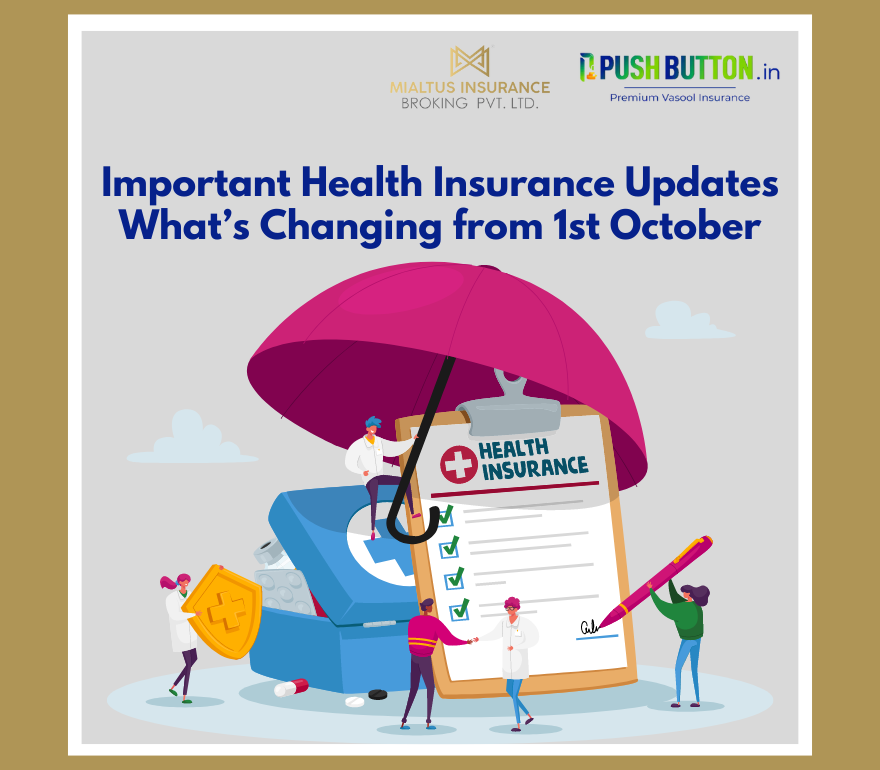
As of October 1, 2024, health insurance policies have become more favourable for customers.
Here are the key updates in health insurance regulations, making it easier to explain to potential buyers.
Key Updates in Health Insurance Policies:
-
Shorter Waiting Period for Pre-Existing Conditions
The waiting period for pre-existing conditions has been reduced from 48 months to 36 months. After this period, insurance companies cannot reject claims for pre-existing conditions, even if the policyholder didn’t disclose the condition earlier.
-
No Age Limit for Senior Citizens
Before, people over 65 couldn’t buy new health insurance. Now, there’s no age limit, so anyone—regardless of their age—can purchase a health policy.
-
Inclusive Health Coverage
Insurance companies must now offer health insurance to mental health patients, special needs children, transgenders, and people with HIV/AIDS. This makes health insurance more inclusive.
-
No Claim Denials After 5 Years
Insurance companies cannot deny claims after 5 years, even for reasons like non-disclosure or misrepresentation. However, if there’s proven fraud, the claim can still be contested in court.
-
Meaningful Discounts for No Claims
If no claims are made during the year, policyholders can choose between increasing the sum insured or getting a discount on their premium for the next year.
-
Refund Anytime
Policyholders can cancel their policy anytime and get a refund based on how long they used the policy. For example, if you pay Rs. 12,000 in premium and cancel after six months, you’ll get Rs. 6,000 back.
-
Higher Claim Settlement Chances
IRDAI has asked insurance companies to set up a committee called Claims Review Committee (CRC). This committee will review the claims, which are rejected by the insurer.
Further, claim requests can only be rejected after approval of this committee. Also, insurers will have to give reason for rejection along concerning the specific terms and conditions of the policy document.
-
Smoother Claim Settlement Process
Insurance companies and Third-Party Administrators (TPAs) must collect required documents directly from the hospital, so policyholders don’t have to submit them separately. Also, cashless claims should be processed within 1 hour, and final payments made within 3 hours of discharge.
At Mialtus Insurance Broking Pvt Ltd, we understand the challenges of maintaining good health and the importance of having comprehensive coverage. Contact us for the best health insurance policies and claim services. Our health insurance policies are designed to give you peace of mind, ensuring you and your family are protected during times of illness or medical emergencies. Call us on 8657528106 or visit our website to learn more about our customer-friendly health insurance plans.
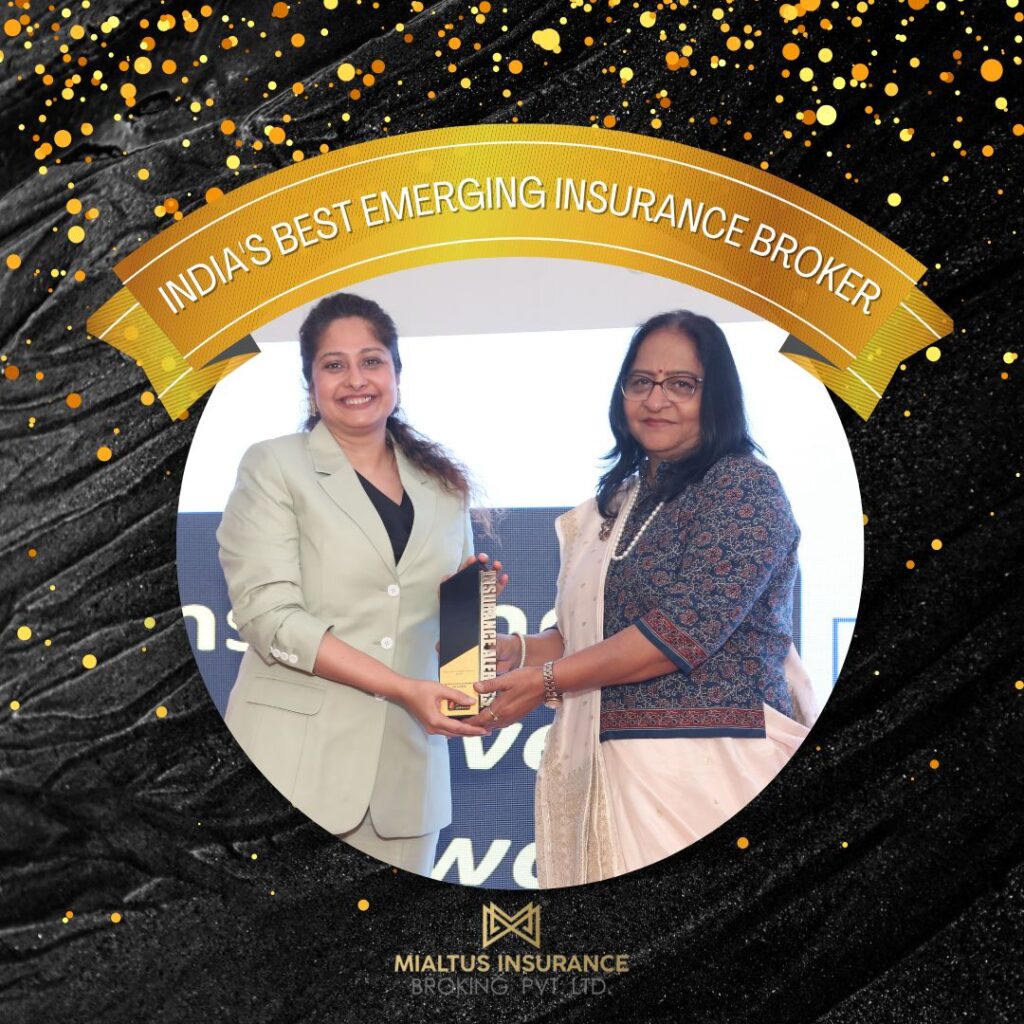
In the dynamic landscape of insurance brokerage in India, Mialtus Insurance Broking has emerged as a trailblazer, setting new standards of excellence and innovation. Recently recognized as the Best Emerging Insurance Broker in India by Insurance Alertss, Mialtus Insurance Broking has solidified its position as a trusted partner in risk management and insurance solutions.
Experience and Expertise: Mialtus Insurance Broking brings a wealth of experience and expertise to the table. Drawing from years of industry knowledge and a deep understanding of client needs, the team at Mialtus is committed to delivering tailored solutions that address the unique challenges faced by businesses and individuals alike.
Client-Centric Approach: At the heart of Mialtus Insurance Broking’s success lies its unwavering commitment to its clients. By adopting a client-centric approach, the firm prioritizes understanding each client’s specific requirements and objectives. Whether it’s providing risk assessment, designing comprehensive insurance programs, or offering timely claims assistance, Mialtus goes above and beyond to ensure client satisfaction and peace of mind.
Innovation and Technology: Mialtus Insurance Broking stands at the forefront of innovation, leveraging cutting-edge technology to enhance its service offerings. By harnessing the power of data analytics, digital platforms, and automation tools, the firm streamlines processes, improves efficiency, and delivers superior outcomes for its clients. From online policy issuance to real-time risk monitoring, Mialtus is committed to staying ahead of the curve in an ever-evolving industry.
Industry Recognition: The accolade of being named the Best Emerging Insurance Broker in India by Insurance Alertss is a testament to Mialtus Insurance Broking’s dedication to excellence and client satisfaction. This prestigious award not only acknowledges the firm’s past achievements but also catalyzes future growth and success.
Conclusion: As Mialtus Insurance Broking continues to expand its footprint and influence in the insurance brokerage landscape, its commitment to excellence, innovation, and client-centricity remains unwavering. With a team of seasoned professionals, a client-focused approach, and a dedication to leveraging technology and innovation, Mialtus is poised to redefine the standards of excellence in the industry.
Join us on this journey as we continue to set new benchmarks and exceed expectations in the world of insurance broking.






 ISO Certified: 9001 – 2015