
Introduction
Manufacturing businesses operate in a high-risk environment. You deal with heavy machinery, large inventories, skilled labor, and complex supply chains. One unexpected event can disrupt operations and cause major financial loss.
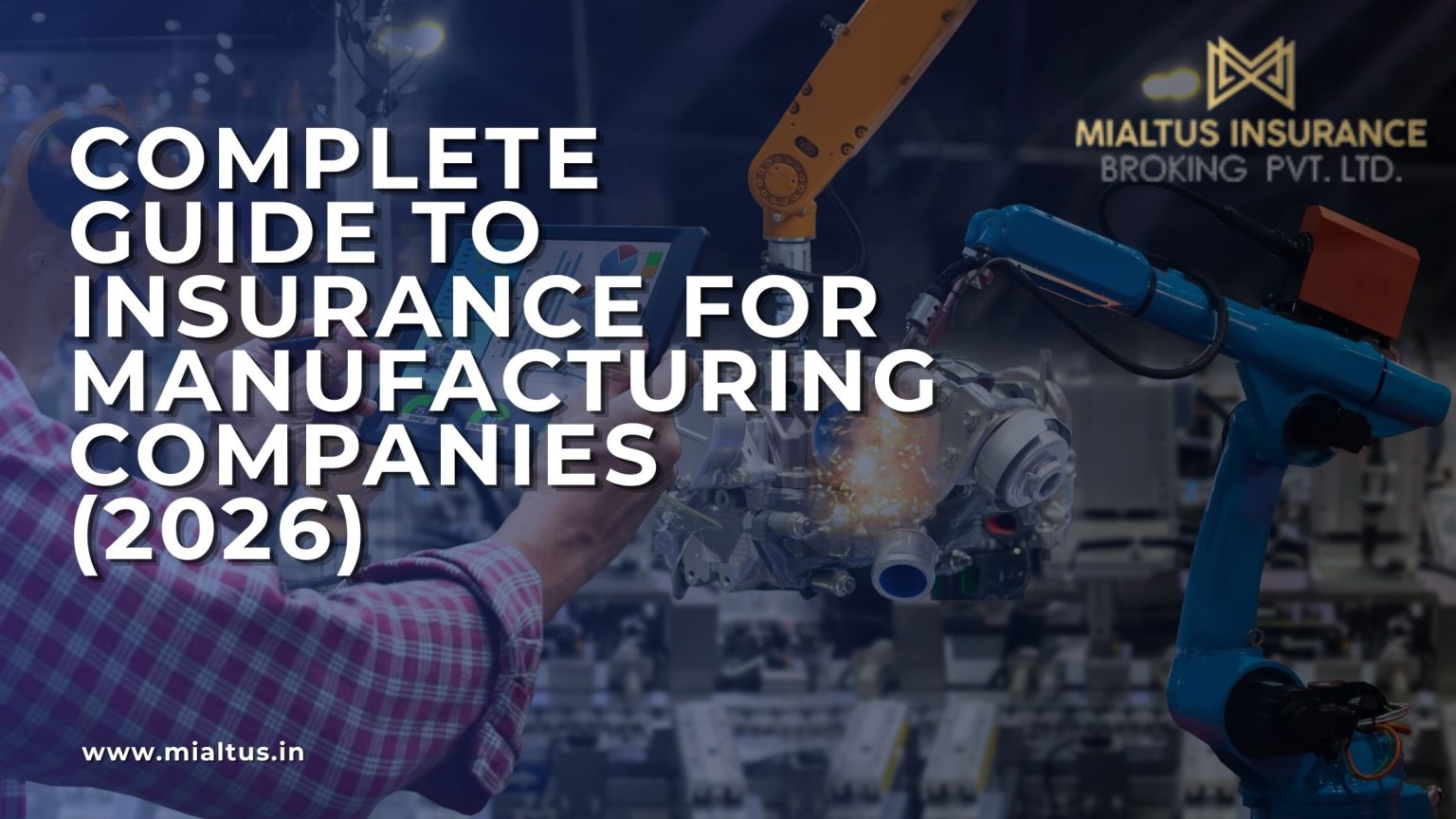
Manufacturing insurance is a combination of policies designed to protect factories and industrial units from risks such as fire, equipment breakdown, liability claims, and business interruptions. It is not a single policy. It is a structured risk protection strategy tailored to your operations.
If you run a factory or manage an MSME, insurance is not optional. It is a core part of financial stability and long-term growth.
Key Risks in the Manufacturing Industry
Manufacturing units face multiple risks daily. Understanding these risks helps you choose the right coverage.
Machinery Breakdown
Machines are the backbone of production. A breakdown can stop operations instantly.
Example:
A CNC machine failure in an auto parts factory can halt production for days. Repair costs plus lost revenue can be significant.
Factories store raw materials, chemicals, and finished goods. Fire risk is always present.
Common causes:
- Electrical faults
- Chemical reactions
- Human error
A single fire incident can destroy inventory and infrastructure.
Manufacturing involves manual labor and hazardous environments.
Risks include:
- Machine-related injuries
- Falls and burns
- Exposure to chemicals
This creates both legal liability and compensation costs.
Product Defects
If your product fails or causes harm, you can face legal claims.
Example:
A defective electrical component causing fire damage can result in lawsuits and brand damage.
This is where product liability insurance India becomes essential.
Supply Chain Disruption
Manufacturing depends on timely supply and delivery.
Risks:
- Supplier failure
- Transport delays
- Natural disasters
Even a short disruption can impact revenue and customer commitments.
Cyber Risks
Modern factories use automation and connected systems.
Threats include:
- Data breaches
- Ransomware attacks
- Production system hacking
Cyber risks are increasing, even for small manufacturers.
Types of Manufacturing Insurance
A strong insurance strategy combines multiple policies. Each one protects a specific area of your business.
Property Insurance for Factories
This covers physical assets such as:
- Factory building
- Machinery
- Inventory
It protects against:
- Fire
- Natural disasters
- Theft
This is the foundation of factory insurance.
General Liability Insurance
This protects your business from third-party claims.
Covers:
- Bodily injury
- Property damage
Example:
A visitor gets injured inside your factory. This policy covers legal and compensation costs.
Workers Compensation Insurance
This is essential for employee protection.
Covers:
- Medical expenses
- Disability compensation
- Loss of wages
It also ensures compliance with labor laws.
Business Interruption Insurance
This covers loss of income due to operational shutdown.
Triggers include:
- Fire damage
- Machinery failure
- Natural disasters
It helps you pay:
- Fixed expenses
- Salaries
- Rent
Without this, even a temporary shutdown can cause long-term damage.
Product Liability Insurance
This protects you against claims related to product defects.
Covers:
- Legal costs
- Compensation claims
This is critical for exporters and manufacturers dealing with consumer goods.
Machinery Breakdown Insurance
This specifically covers sudden mechanical or electrical failure.
Covers:
- Repair or replacement costs
- Damage due to internal faults
It is different from property insurance, which mainly covers external events.
This protects goods during transportation.
Covers:
- Damage during transit
- Theft
- Accidents
Important for manufacturers with large distribution networks.
Cyber Insurance
This protects digital systems and data.
Covers:
- Data breach costs
- Recovery expenses
- Legal liabilities
Even small factories using ERP systems need this.
Environmental Liability Insurance
Manufacturing units can cause environmental damage.
Covers:
- Pollution-related claims
- Cleanup costs
- Legal liabilities
Critical for industries dealing with chemicals or waste.
Why Different Industries Need Different Insurance
Insurance is not one-size-fits-all. Each manufacturing sector has unique risks.
Food Industry
- Risk of contamination
- Strict safety regulations
- Need strong product liability cover
Chemical Industry
- High fire and explosion risk
- Environmental damage exposure
- Needs environmental liability insurance
Textile Industry
- Fire risk due to flammable materials
- Machinery wear and tear
- Needs property and machinery insurance
Automobile Manufacturing
- Complex machinery
- High-value equipment
- Requires breakdown and liability coverage
Electronics Manufacturing
- Sensitive equipment
- High cyber risk
- Needs cyber and equipment insurance
How to Choose the Right Insurance
Choosing the right industrial insurance coverage requires planning.
Assess Your Risks
Start by identifying:
- Operational risks
- Financial exposure
- Industry-specific threats
Do not rely on generic policies.
Understand Your Business Size
Coverage needs differ based on:
- Small factory vs large plant
- Revenue scale
- Workforce size
Larger operations need broader coverage and higher limits.
Match Insurance with Industry Type
Each sector has different exposure.
Example:
- Chemical plants need environmental cover
- Food units need product liability
Check Policy Coverage Details
Focus on:
- Inclusions
- Exclusions
- Claim process
Do not choose based only on premium.
Common Mistakes Manufacturers Make
Many businesses buy insurance but still remain under-protected.
Avoid these mistakes:
Underinsuring Assets
Many factories insure assets below actual value.
Result:
Lower claim payout during loss.
Ignoring Business Interruption
Most manufacturers focus only on physical damage.
They ignore income loss during downtime.
Buying Generic Policies
Standard policies do not cover industry-specific risks.
Customization is necessary.
Not Updating Coverage
Businesses grow, but insurance remains unchanged.
Update policies regularly based on expansion.
Ignoring Cyber Risk
Even small factories face cyber threats today.
Lack of cyber insurance can be costly.
Conclusion
Manufacturing businesses operate in a risk-heavy environment. A single incident can impact production, finances, and reputation. This is why manufacturing insurance must be approached strategically. You need more than basic coverage. You need a customized mix of policies aligned with your industry, scale, and risk exposure. The right insurance plan protects your assets, supports business continuity, and builds long-term resilience.