

In today’s dynamic business landscape, small and medium-sized enterprises (SMEs) play a vital role in the economy. Whether you own a small boutique, a neighbourhood grocery store, or a cosy cafe, your shop is more than just a place of business – it’s your dream, your livelihood, and your hard work. Protecting it from unforeseen risks and uncertainties is paramount. This is where Mialtus Insurance Broking steps in, offering affordable and comprehensive shop insurance tailored to the unique needs of shop owners.
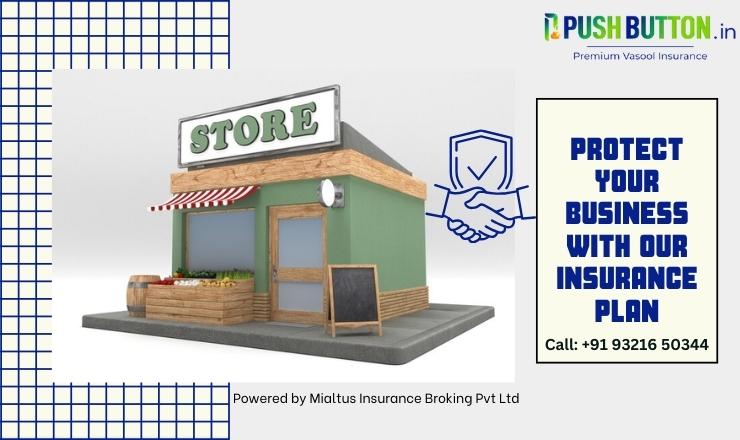
Understanding the Importance of Shop Insurance
Every shop, regardless of its size or industry, faces certain risks. These risks can range from natural disasters like fires or floods to theft, vandalism, accidents, and more. Without adequate insurance coverage, these unforeseen events can quickly turn into financial nightmares, potentially putting your business at risk.
Mialtus Insurance Broking understands that as a shop owner, you have invested your time, money, and passion into building your business. Shop insurance is designed to safeguard your investment and provide financial protection when you need it most. It’s a safety net that ensures your business can bounce back from unexpected setbacks.
Why Choose Mialtus Insurance Broking?
When it comes to protecting your shop, you need an insurance partner who understands your unique requirements and offers tailor-made solutions. Mialtus Insurance Broking specializes in providing shop insurance that is affordable, reliable, and hassle-free. Here’s why you should consider Mialtus for your shop insurance needs:
- Comprehensive Coverage: Mialtus Insurance Broking offers comprehensive coverage that includes protection against various risks, such as fire, theft, burglary, vandalism, natural calamities, and more. We understand that each shop is different, so our policies can be customized to meet your specific needs.
- Competitive Premiums: We believe that insurance should be accessible to all shop owners. That’s why we offer competitive premiums that provide excellent value for your money. Our goal is to make shop insurance affordable without compromising on coverage.
- Personalized Service: At Mialtus, we believe in the power of personal relationships. When you choose us as your insurance partner, you’ll have access to dedicated professionals who will guide you through the insurance process. We’ll take the time to understand your business and provide expert advice on the coverage options that best suit your needs.
- Quick Claims Processing: In the event of a claim, time is of the essence. Our efficient claims processing ensures that you receive the support and compensation you need promptly. We understand the importance of minimizing downtime for your business.
- Risk Assessment and Mitigation: Prevention is often the best form of protection. Mialtus Insurance Broking goes beyond offering insurance policies. We also provide risk assessment services to help you identify potential vulnerabilities in your shop. By understanding and mitigating these risks, you can further protect your business.
The Process of Obtaining Shop Insurance from Mialtus
Getting shop insurance from Mialtus Insurance Broking is a straightforward process:
- Initial Consultation: Contact our experienced team of insurance professionals for an initial consultation. We’ll discuss your specific needs, and the type of coverage required, and answer any questions you may have.
- Tailored Policy: Based on your requirements, we’ll customize a shop insurance policy that provides the right coverage at the right price. You can choose from a range of coverage options to ensure your shop is adequately protected.
- Documentation: We’ll guide you through the documentation process, ensuring all necessary paperwork is in order. Our team will assist you in filling out the application forms and gathering any required documents.
- Premium Payment: Once your policy is finalized, we’ll provide you with premium payment options that are convenient for you.
- Coverage Commences: As soon as your premium is paid, your shop insurance coverage begins. You can have peace of mind knowing that your business is protected against various risks.
Shop Insurance Tailored to Your Needs
Mialtus Insurance Broking understands that not all shops are the same. A small retail store may have different insurance needs compared to a restaurant or an electronics shop. That’s why we offer customizable insurance policies to cater to a wide range of businesses. Some of the key coverage options you can include in your shop insurance policy are:
- Fire Insurance: Protect your shop from the devastating effects of fire, including damage to property, inventory, and equipment.
- Burglary and Theft Insurance: Safeguard your business against theft and burglary, providing coverage for stolen goods and property damage caused during a break-in.
- Business Interruption Insurance: In case of an insured event that forces you to temporarily close your shop, this coverage helps compensate for lost income and ongoing expenses.
- Public Liability Insurance: Protect yourself from legal liabilities in case a customer or third party suffers injury or property damage within your shop premises.
- Natural Calamity Coverage: Be prepared for natural disasters like floods, earthquakes, and storms that can cause extensive damage to your shop.
- Equipment Breakdown Coverage: Ensure that essential equipment, such as refrigeration units or machinery, is covered in case of breakdown or damage.
Secure Your Shop’s Future Today
Your shop is more than just a business; it’s a part of your life’s work and passion. Protect it with shop insurance from Mialtus Insurance Broking, where affordability meets reliability. Don’t wait until disaster strikes; secure your shop’s future today and focus on growing your business with confidence.
For more about our shop insurance policies or to get a customized quote, Call us at +91 93216 50344. Let us be your partner in safeguarding your business’s legacy, ensuring you have the assurance of a secure tomorrow.
Mialtus Insurance Broking Pvt Ltd – Your Trusted Insurance Partner for a Secure Business Future.
Insurance is a legal agreement or a contract and a way to manage risk which is represented by a policy, under which the insurance provider agrees to provide the policyholder with protection or reimbursement against losses and damages with financial security or payment.
Insurance policies are used as a hedge against the risk of monetary losses both large and small that may cause damage to the insured or their property.

TYPES OF INSURANCE
Health Insurance
Health insurance is for people who have serious medical issues and need regular medical care, should look for this policy as it provides medical care at pocket-friendly rates.
Home Insurance
Home insurance protects the house of the owner from damages a theft. Many banks before keeping the house as a mortgage ask to have full insurance coverage of the property.
Motor/Bike insurance
Motor/Bike insurance offers protection to the car or any vehicle a person has invested in, just in case of accident, theft or damage by natural disaster. People pay annual premiums for auto insurance.
Life insurance
Life insurance is like a legal agreement between an insurer [person providing insurance} and a policy owner. This policy ensures the policy owner that the insurer will pay an amount to the people named as beneficiaries when the policyholder dies in exchange for the instalments of premiums paid by the policyholder during their lifetime.
Travel Insurance
Travel insurance covers the cost and losses associated with travelling domestically and abroad
Disability Insurance
Disability insurance shields families from financial difficulty when illness or accidents prohibit people from working. Many companies provide disability insurance or a person can buy their own policy.
The Process of Insurance Claiming
One of the most important and significant services an insurance company may offer to its clients is claim settlement. The faster resolution of claims is the responsibility of the insurance-providing company. An insurance claim is a formal request that is made by the policyholders to the insurance companies, asking for payment based on the conditions of the insurance policy. The company reviews the claim and the documents related to it to check its validity and then pays the amount to the requesting insured party.
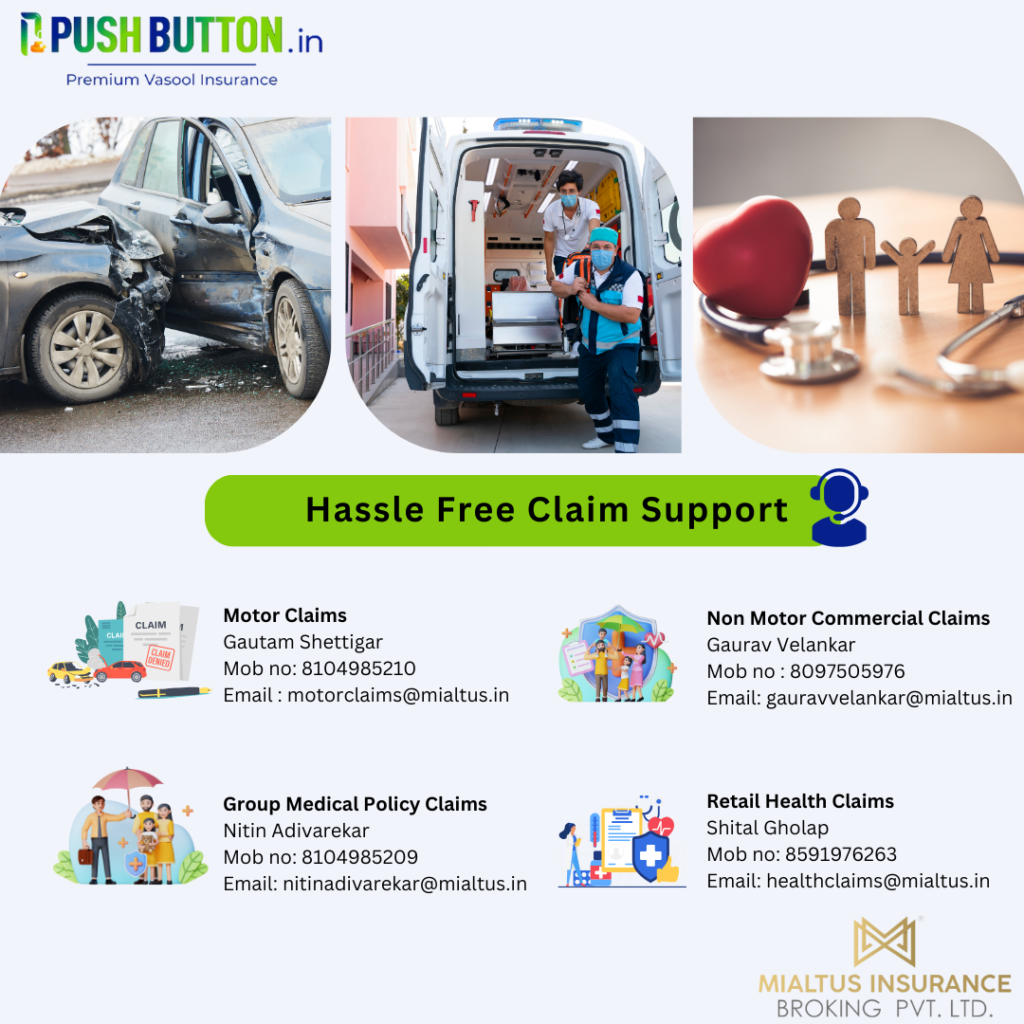
The step-by-step procedures of Insurance claims are mentioned below: –
o Reach out to your broker
When it comes to one’s insurance policy, the broker involved in the policy is the point of contact as they are aware of the circumstances and know how to proceed. Once all the proofs are given to the broker of the damage or loss, i.e., photos and videos, an adjuster follows up the rest of the procedure and also identifies liable parties. Also, the party claiming may also provide witness for the same.
o Policy examination
The adjuster will carefully review the policy to determine what is and what isn’t covered under the insurance policy and inform the policyholder if any item is deductible or not from the claim.
o Damage evaluation
In order to calculate and evaluate the damages the insurance adjuster might work with appraisers, engineers or contractors to get the professional opinion and the adjuster can properly estimate the degree of the damage caused and might also give a list of recommended contractors to repair the damage. However, it is the will of the policyholder to get it repaired or claim the insurance.
o Payment is scheduled
The adjuster who has been throughout the process of claiming the policy and has examined everything will get in touch with the policyholder to discuss the settlement of the claim and payment. The complexity and gravity of your circumstances will determine how long will it take for the payment to be transferred to the party.
For any claim assistance call us at +91 8591976216
In today’s fast-paced digital age, the internet has revolutionized the way we shop for products and services, and car insurance is no exception. Gone are the days of visiting multiple insurance offices and sifting through piles of paperwork to secure the best coverage for your vehicle. With the advent of online car insurance platforms, consumers now have the convenience and flexibility to compare, customize, and purchase policies from the comfort of their homes. In this article, we will explore the numerous advantages of buying car insurance online.
Benefits of buying car insurance online:
Time is a valuable commodity, and online car insurance purchasing saves you a significant amount of it. The traditional process of acquiring insurance can be time-consuming, involving multiple meetings and documentation. Online platforms streamline the process, allowing you to complete the entire transaction swiftly. With quick quote generation and instant policy issuance, you can have your car insured within minutes.
Cost-Effective:
Buying car insurance online can often lead to cost savings. By eliminating the need for physical offices and agents, online insurance providers can offer policies at competitive prices. Additionally, some online platforms offer exclusive discounts and deals, further reducing the overall cost of the policy. Comparing multiple quotes online empowers you to find the most cost-effective coverage that suits your budget.
Transparency and Informed Decisions:
The online marketplace provides a transparent platform for insurance seekers. When purchasing car insurance online, you have access to detailed policy information, coverage features, and terms and conditions. This level of transparency enables you to make well-informed decisions based on your specific needs. Additionally, you can read customer reviews and ratings to gauge the insurer’s credibility and customer service.
Customization Options:
Online car insurance platforms offer a wide range of customization options, allowing you to tailor the policy to meet your requirements. From choosing the level of coverage to adding riders and additional benefits, you have the flexibility to build a policy that best suits your needs. Customization ensures that you only pay for the coverage you genuinely need, optimizing the value of your insurance investment.
Ease of Policy Management:
Managing your car insurance policy becomes a breeze with online platforms. You can effortlessly access your policy documents, make changes to your coverage, update personal information, and even renew the policy, all through a user-friendly online portal. This eliminates the hassle of maintaining physical documents and provides you with real-time access to all policy-related information.
Instant Policy Issuance:
Online car insurance platforms offer instant policy issuance upon successful completion of the purchase process. You no longer have to wait for days or weeks to receive your policy documents. Instead, you can download the digital copy of your insurance certificate immediately after payment confirmation, ensuring that you are legally covered to drive without any delays.
Better Customer Support:
Contrary to the misconception that buying insurance online lacks personalized customer support, many online insurance providers offer excellent customer service through various channels such as live chat, email, and toll-free numbers. Online support teams are equipped to handle queries promptly and efficiently, ensuring a seamless experience for customers.
Safety and Security:
Carrying physical insurance documents can be risky, as they can be misplaced or damaged. Online car insurance obviates this concern by providing a secure and safe digital repository for all your policy documents. You can access and print these documents whenever needed, ensuring peace of mind in case of any emergencies.
Green Initiative:
Embracing online car insurance aligns with environmental consciousness. By opting for paperless transactions, you contribute to the reduction of paper usage, which, in turn, helps conserve trees and reduces the carbon footprint. Going green is not only a responsible choice but also a step towards a sustainable future.
In conclusion, the advantages of buying car insurance online are numerous and undeniable. The ease, convenience, cost-effectiveness, transparency, and customization options provided by online platforms empower consumers to make informed decisions about their insurance needs. Furthermore, instant policy issuance, efficient policy management, and excellent customer support ensure a seamless experience for every policyholder. Embracing online car insurance not only saves time and money but also demonstrates a commitment to the digital age and environmental responsibility.
If you are looking for an online insurance policy that encompasses all these benefits and more, we invite you to visit www.pushbutton.in. Our platform offers a user-friendly interface, an array of customizable insurance options, and dedicated customer support to assist you at every step of the way. Experience the convenience of purchasing car insurance from the comfort of your home with PushButton Insurance. Click the link now to get started and secure the protection your car deserves.
Visit www.pushbutton.in for hassle-free car insurance!
As the monsoon season arrives in India, it brings relief from the hot summer heat and opens the door to numerous health challenges. The increased humidity and water accumulation create an ideal breeding ground for various illnesses. We aim to shed light on the common illnesses that prevail during the monsoons in India and emphasize the importance of having insurance coverage to protect individuals and families from unexpected medical expenses.

Respiratory Infections:
- Cold and Flu: Discuss the prevalence of common colds and influenza during the monsoon season, highlighting their symptoms, causes, and preventive measures. Emphasize the significance of maintaining good personal hygiene and avoiding crowded areas.
- Allergies and Asthma: Explore how the increased moisture and mold growth during monsoons can trigger allergies and exacerbate asthma symptoms. Highlight the importance of proper medication management and maintaining clean indoor environments.
Waterborne Diseases:
- Dengue Fever: Shed light on dengue fever, a mosquito-borne viral infection that thrives during the monsoon season. Discuss its symptoms, prevention, and the importance of eliminating stagnant water to control mosquito breeding.
- Cholera and Typhoid: Explain the risk factors, symptoms, and preventive measures for waterborne diseases like cholera and typhoid fever. Highlight the importance of safe drinking water, proper hygiene, and vaccination.
Gastrointestinal Infections:
- Food Poisoning: Discuss how the monsoon season increases the risk of food contamination, leading to foodborne illnesses. Address the importance of consuming hygienic food, avoiding street food, and maintaining proper food handling practices.
- Diarrhea and Dysentery: Explore the causes and prevention of gastrointestinal infections during the monsoons, emphasizing the significance of clean water consumption and hygienic food preparation.
Insurance Coverage for Monsoon-Related Illnesses:
- Health Insurance: Highlight the role of health insurance in providing financial protection against medical expenses arising from monsoon-related illnesses. Discuss coverage for hospitalization, diagnostic tests, medications, and follow-up care.
- Critical Illness Insurance: Explain the benefits of critical illness insurance, which provides coverage for specific illnesses, including those prevalent during the monsoons. Discuss the importance of understanding policy terms, coverage limits, and waiting periods.
Preventive Measures:
- Personal Hygiene: Emphasize the importance of maintaining personal hygiene, including regular handwashing, avoiding contaminated water, and using mosquito repellents.
- Vaccinations: Highlight the significance of immunizations for diseases like dengue, typhoid, and influenza. Encourage individuals to consult their healthcare providers for the appropriate vaccinations.
Conclusion:
As the monsoon season arrives in India, it brings with it an increased risk of common illnesses. Individuals can safeguard their health by understanding the prevalent diseases and taking the necessary precautions. However, it is equally important to secure adequate insurance coverage to protect against unforeseen medical expenses. Comprehensive health insurance and critical illness insurance provide financial peace of mind, ensuring that individuals can access quality healthcare without the burden of excessive medical costs. Prioritizing both health and insurance coverage allows individuals and families to enjoy the monsoons while staying prepared for any health-related challenges that may arise.
If you need any insurance coverage or have any insurance-related inquiries, please don’t hesitate to contact us. Our experienced team is ready to assist you and provide the best insurance solutions tailored to your needs. Reach out to us today for a consultation to secure your financial future.

Receiving your first salary is a big day in your life. It represents the start of your financial freedom and provides an opportunity to make wise decisions that will create a foundation for a secure future. While it may be easy to focus on the short term, it is critical to examine how insurance can play an important role in protecting your financial well-being. In this blog, we will look at four sensible ways to spend the first salary you receive while keeping insurance in mind, and we will back up our ideas with informative statistics.
Create an Emergency Fund:
Statistics show that a significant percentage of individuals are unprepared for unexpected financial emergencies. Start by allocating a portion of your first salary towards building an emergency fund. This fund acts as a safety net during challenging times, such as unexpected medical expenses, car repairs, or job loss. Experts suggest saving at least three to six months’ worth of living expenses in an easily accessible account. By setting aside a portion of your salary for emergencies, you can face unforeseen circumstances with confidence, knowing that you have a financial cushion to rely on.
Invest in Health Insurance:
Healthcare costs are on the rise, making it crucial to prioritize your well-being by investing in a comprehensive health insurance plan. Research indicates that a large number of individuals face financial hardship due to medical expenses, often resulting in long-term debt or depleted savings. Use a portion of your first salary to secure a health insurance policy that provides coverage for hospitalization, outpatient treatments, and critical illnesses. Remember, early investment in health insurance ensures lower premiums and broader coverage options.
Protect Your Assets with Insurance:
As you start building your life, it is essential to protect your valuable assets. Whether it’s your first car, rented apartment, or prized possessions, insurance provides a safety net against potential risks. Look into auto insurance to protect your vehicle from accidents and theft. Renter’s insurance offers coverage for your personal belongings in case of fire, theft, or other covered events. By allocating a portion of your salary towards these insurance policies, you can have peace of mind knowing that your assets are protected.
Start Saving for Retirement:
While retirement may seem distant, it is never too early to start saving for your golden years. Take advantage of the power of compounding by investing a portion of your salary in retirement plans such as a 401(k) or Individual Retirement Account (IRA). Studies show that individuals who start saving for retirement early have a significant advantage due to the compounding effect over time. By setting aside a percentage of your salary towards retirement, you are ensuring a financially secure future and allowing your money to work for you.
Conclusion:
As you embark on your professional journey and receive your first salary, it is essential to make wise financial decisions. Allocating your earnings towards building an emergency fund, investing in health insurance, protecting your assets, and saving for retirement sets the stage for a secure and prosperous future. By incorporating insurance into your financial plan, you are taking proactive steps to mitigate risks and protect yourself from unexpected events. Remember, the choices you make today will shape your financial well-being tomorrow. So, make smart choices, invest in your future, and enjoy the fruits of your hard work.
If you are in need of any insurance coverage or have any insurance-related inquiries, please don’t hesitate to contact us. Our experienced team is ready to assist you and provide the best insurance solutions tailored to your needs. Reach out to us today for a consultation and secure your financial future.
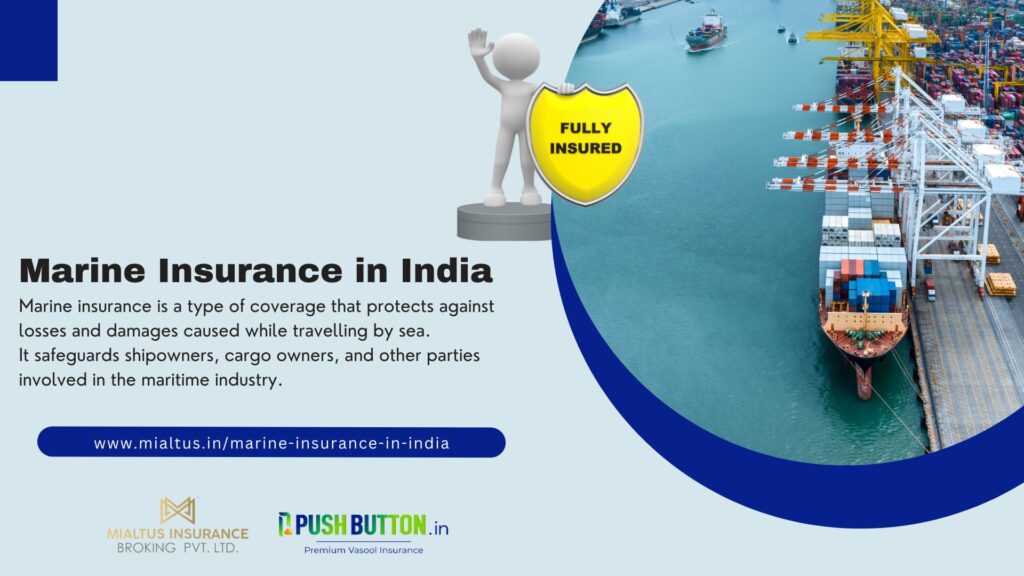
Marine insurance is a type of coverage that protects against losses and damages caused while traveling by sea. It safeguards shipowners, cargo owners, and other parties involved in the maritime industry. Marine insurance has been an essential component of global trade for centuries, and it is no different in India. The Indian marine insurance market has a long history dating back to the nineteenth century. This article will dig deeper into the world of marine insurance in India, discussing its various types, features, claim process, and regulatory framework.
The Importance of Marine Insurance in India
Marine insurance is critical to the Indian economy because the country is heavily reliant on sea trade. According to the Ministry of Shipping, the sea transports more than 90% of India’s trade by volume and 70% by value. The Indian coastline is also a popular tourist destination, with millions of people traveling by sea each year. Marine insurance makes sure that the risks of sea transportation are managed and that any losses or damages are compensated for.
Furthermore, marine insurance is required by Indian law. Every Indian ship is required to have a valid hull insurance policy; failure to comply can lead to penalties and even ship detention. Likewise, many countries require ships entering their ports to have valid marine insurance.
Types of Marine Insurance
Marine insurance in India is divided into the following categories:
- Hull Insurance: Physical damage to the ship and its machinery caused by perils such as storms, collisions, and fires is covered by hull insurance. It also covers the shipowner’s liability for third-party property or personal damage. The Merchant Shipping Act of 1958, which requires every Indian ship to have a valid insurance policy, makes hull insurance mandatory.
- Cargo Insurance: Cargo insurance protects the goods transported by sea from loss or damage. The cargo owner, shipper, or customer can purchase it. Cargo insurance can protect against a wide range of risks, including theft, damage, and loss caused by weather or accidents.
- Freight Insurance: This type of insurance protects the moving company against loss of transportation charges caused by cargo damage or loss.
- Liability Insurance: This type of insurance covers the shipowner’s or operator’s legal liabilities for third-party damages, such as collisions with other ships or damage to ports or other facilities.
Features of Marine Insurance in India
The following are the features of Marine Insurance in India:
- Voyage or Time Policies: Marine insurance policies can be voyage-specific or time-specific. Voyage policies cover a specific voyage, while time policies cover a specific time period, usually a year.
- Valuation: The valuation of the insured subject matter, such as the ship or cargo, is crucial in determining the premium and compensation in case of loss.
- Risk Coverage: Marine insurance policies in India cover various risks, including perils of the sea, piracy, war, and other maritime risks.
- Institute Cargo Clauses (ICC): These clauses define the risks covered by the policy and the compensation payable in case of loss or damage.
Marine Insurance in India Claim Process
The claim process for marine insurance in India typically involves the following steps:
- Notify the insurer: The insured must notify the insurer of any loss or damage as soon as possible. The notice should include the policy number, date and time of the loss, location, and nature of the loss or damage.
- Provide documents: The insurer will require documents such as the policy document, shipping documents, invoice, and any other relevant documents related to the loss or damage.
- Survey and inspection: The insurer will appoint a surveyor or inspector to assess the extent of the loss or damage. The surveyor or inspector will prepare a report and submit it to the insurer.
- Settlement of claim: Based on the surveyor’s report, the insurer will determine the amount of the claim and settle the claim accordingly.
- Dispute resolution: If there is any dispute regarding the settlement amount, the parties can resolve the dispute through arbitration or in court.
Regulatory Framework of Marine Insurance in India
The Insurance Regulatory and Development Authority of India (IRDAI) oversees the set of regulations for marine insurance in India. The IRDAI governs the operations of insurance companies in India, including marine insurers. Furthermore, the Indian Marine Insurance Act of 1963 establishes the legal foundation for marine insurance policies in India. The act defines insurers’ and insurance companies’ rights and responsibilities, as well as guidelines for claim settlement.
Conclusion
Finally, marine insurance is a critical component of India’s maritime industry. It protects shipowners, cargo owners, and other maritime trade participants against loss or damage. The Indian marine insurance market provides hull insurance, cargo insurance, freight insurance, and liability insurance. These policies differ in terms of voyage or time policies, valuation, and risk coverage. The IRDAI and the Indian Marine Insurance Act of 1963 govern the regulatory framework for marine insurance in India.
As the financial capital of India, Mumbai is home to a vast array of insurance brokers. With so many options to choose from, finding the right insurance broker in Mumbai can be a daunting task. But if you’re looking for the best insurance broker in Mumbai, there’s one name that stands out above the rest: Mialtus Insurance Broker.
At Mialtus, we understand that insurance is a complex and often confusing field. That’s why we have assembled a team of experienced professionals who are committed to providing personalized service to our clients. Whether you’re a small business owner or an individual looking for coverage, we have you covered.
One of the things that set us apart from other insurance brokers in Mumbai is our commitment to transparency. We believe that our clients deserve to know exactly what they’re getting, which is why we work closely with them to identify their needs and find the best coverage at the most affordable rates.
Our team of professionals has years of experience in the insurance industry, and we stay up-to-date with the latest trends and developments to ensure that our clients always have access to the best options available. We offer a wide range of insurance products, including health insurance, life insurance, property insurance, and more.
In addition to our commitment to personalized service and transparency, we are also proud to offer a convenient and hassle-free experience for our clients. Whether you prefer to communicate with us in person, over the phone, or online, we are always available to answer your questions and provide support.
If you’re looking for the best insurance broker in Mumbai, look no further than Mialtus Insurance Broker. Contact us today to learn more about how we can help you find the coverage you need at a price you can afford.
If you’re looking for a easy way to compare and buy insurance online, kindly check Pushbutton is the perfect solution.
Life insurance is a crucial aspect of financial planning that most people tend to ignore. It is a policy that guarantees financial stability to your loved ones in case you die. The benefits of life insurance are numerous, and you must consider purchasing one for your family’s sake.

The primary benefit of life insurance is providing financial security for your loved ones. Life insurance pays a tax-free lump sum amount to your beneficiaries in case of your death. These payments can cover funeral costs, outstanding debts, and living expenses. It ensures your family members do not have to worry about their financial future in your absence.
These customizable policies allow you to choose the coverage that suits your needs. You can opt for a term life insurance policy that provides coverage for a specific period or a permanent policy that offers a lifelong range. The amount of coverage can be adjusted depending on your income, debts, and financial goals.
Another significant benefit is its ability to pay off debts and mortgages. Your beneficiaries can use the payout to pay off outstanding debts such as a mortgage, credit cards, and car loans. It prevents your family from losing their assets and home due to financial difficulties.
These policies can also serve as an investment tool. Some policies offer a cash value component, and life insurance is a crucial aspect of financial planning that most people tend to ignore. It is a policy that guarantees financial stability to your loved ones in case you die. The benefits of life insurance are numerous, and you must consider purchasing one for your family’s sake.
Lastly, life insurance policies provide peace of mind. Knowing that your loved ones are financially secure and their future is taken care of can relieve you of stress and anxiety. You can focus on living fully, knowing your family is protected.
In conclusion, life insurance is a critical component of financial planning that must be addressed. Its benefits include financial security for your loved ones, customizable coverage, debt and mortgage payments, investment opportunities, and peace of mind. By purchasing a life insurance policy, you can ensure that your family’s future is secure, no matter what the future holds.
Traveling can be an exciting and enriching experience, but it can also come with unforeseen risks and unexpected expenses. Travel insurance is an important tool that can provide peace of mind and financial protection during your trip. Whether you are traveling domestically or internationally, travel insurance can help you deal with unexpected events such as illness, injury, trip cancellations, or lost baggage. In this article, we will explore the importance of travel insurance and how it can benefit you during your travels.

Medical Emergencies
Medical emergencies can happen at any time and can be particularly challenging when you are away from home. While many countries have public health systems, they may not be available to tourists, and you may have to pay for medical treatment out of your own pocket. This can be an expensive proposition, particularly if you need hospitalization, surgery, or repatriation. Travel insurance can provide coverage for medical expenses, including emergency medical treatment, hospitalization, and repatriation, giving you the peace of mind that you can get the care you need without worrying about the costs.
Trip Cancellation and Interruption
Trip cancellations and interruptions can happen for a variety of reasons, including illness, injury, death in the family, or natural disasters. These events can result in lost deposits, non-refundable airline tickets, and other expenses that can add up quickly. Travel insurance can provide coverage for these costs, allowing you to recoup some or all of your expenses and avoid financial loss.
Lost or Stolen Baggage
Lost or stolen baggage is a common occurrence during travel and can be a frustrating and costly experience. Travel insurance can provide coverage for lost or stolen baggage, including reimbursement for the value of lost items and compensation for any expenses incurred as a result of the loss. This can help you get back on track quickly, without worrying about the costs of replacing lost items or dealing with the inconvenience of lost baggage.
Personal Liability
Personal liability is an important consideration when traveling, particularly if you are engaging in activities that may result in injury or property damage to others. Travel insurance can provide coverage for personal liability, including legal fees and compensation for damages, giving you the peace of mind that you are protected in case of an accident.
Travel Delays
Travel delays are a common occurrence, and can be caused by a variety of factors, including weather, mechanical problems, and labor strikes. These delays can result in missed connections, lost reservations, and other expenses. Travel insurance can provide coverage for travel delays, including reimbursement for expenses such as accommodations, meals, and transportation, ensuring that you can continue your travels without worrying about the costs.
Emergency Evacuation
Emergency evacuation may be necessary if you are traveling in an area that is affected by political instability, natural disasters, or other crises. Travel insurance can provide coverage for emergency evacuation, including the cost of transportation to a safe location, medical treatment, and repatriation. This can be a lifesaving service, particularly if you are traveling in remote or unfamiliar areas.
24/7 Assistance
Travel insurance providers offer 24/7 assistance services that can help you deal with emergencies and unexpected situations. These services can include medical advice and referrals, emergency cash transfers, translation services, and other types of assistance that can be invaluable when you are away from home. Having access to these services can help you get the help you need quickly and efficiently, ensuring that your trip goes as smoothly as possible.
In conclusion, travel insurance is an important tool that can provide peace of mind and financial protection during your travels. Whether you are traveling for business or pleasure, domestically or internationally, travel insurance can help you deal with unexpected events such as illness, injury, trip cancellations, or lost baggage.
A vital component of life is health insurance, especially in India where the cost of healthcare is increasing quickly.
It is impossible to exaggerate the usefulness of health insurance or to undervalue it. Having health insurance can give people and families a vital safety net in a nation where medical emergencies and illnesses can strike suddenly.
Financial stability is the primary justification for why health insurance is crucial in India. Health insurance can greatly lessen the financial burden of medical bills like hospital stays, doctor visits, operations, and prescription prescriptions. The cost of healthcare can be extremely high. Without health insurance, the out-of-pocket costs can be exorbitant and put people and families into financial ruin.
Health insurance is essential in India because it gives people access to high-quality medical care. To preserve excellent health, regular checkups, doctor visits, and preventative treatment are crucial. Those who have health insurance can afford to see doctors frequently and receive prompt medical attention, which can stop minor health problems from developing into serious ones. A wider variety of physicians, medical facilities, and specialists are accessible with health insurance plans than with others. Access to more specialized and cutting-edge medical procedures may be made possible by these larger networks. For people with chronic illnesses or those who need specialist medical treatment, this is especially crucial.
Another thing that brings comfort is health insurance. It gives one a sense of security and lessens anxiety to know they can get access to high-quality healthcare when they need it. As vital as physical health is, this can also have a good effect on a person’s mental and emotional well-being.
Also, people may receive tax advantages from having health insurance. Individuals may deduct the cost of their own and their dependents’ health insurance premiums from their taxable income under ‘Section 80D’ of the Income Tax Act. Because of this, purchasing health insurance can be a lucrative investment, especially for individuals trying to minimize their tax obligations.
The community as a whole gains a number of advantages from health insurance in addition to the advantages it offers to individuals. Distributing the risk of pricey medical operations over a larger number of people helps down the cost of healthcare for everyone. This eases the financial load on taxpayers and lowers the cost of healthcare. Also, it encourages preventative treatment, which may assist in lowering the frequency of hospital stays and trips to the emergency room. In turn, this can ease the burden on the healthcare system and contribute to cost containment.
Despite the various advantages of health insurance, many Indians still lack coverage. This is mostly caused by people’s ignorance of the value of health insurance, as well as the high costs of such coverage. Yet, the development of technology has made purchasing health insurance more convenient and affordable than ever. People may now easily compare and purchase health insurance policies thanks to online portals and insurance aggregators, making it simpler to locate affordable coverage.
In conclusion, having health insurance is essential, especially in India. It benefits the community as a whole and offers financial security, access to high-quality healthcare, tax advantages, and benefits. To guarantee that everyone has access to high-quality healthcare when needed, without running the danger of financial ruin, health insurance must be prioritized. Because of technological improvements, purchasing health insurance is now easier and more reasonable than ever before, enabling customers to select a plan that meets their requirements and their budget.

Are you ready to prioritize your health and financial security with a health insurance policy?
Pushbutton offers a hassle-free and convenient way to buy health insurance online. Visit Pushbutton.in to explore our range of policies and choose the one that suits your needs and budget. Protect yourself and your loved ones today.






 ISO Certified: 9001 – 2015